Arctic
rus
News
Upcoming
Multimedia
Experts
Analysis
Expeditions
Topics
Natural resources
Infrastructure
Economy
International relations
Ecology
Population
Tourism and recreation
US opens diplomatic mission in Arctic Norway
International relations
Russia announces termination of border cooperation agreement with Finland
International relations
Three airports to open in Yakutia by late 2023
Infrastructure
Analytics
Nikolai Korchunov: Russia-China cooperation in the Arctic is of a purely peaceful, non-military nature
Experts
Timur Akchyurin
Executive Director of the YNAA’s Union of Reindeer Herders
Ivan Bashkirov
Director, “Northern Route: Think North” expedition project
Vladimir Chukov
President of the Russian Geographical Society’s Arktika public foundation
Ioann Chechnev
Explorer, public figure
Expeditions
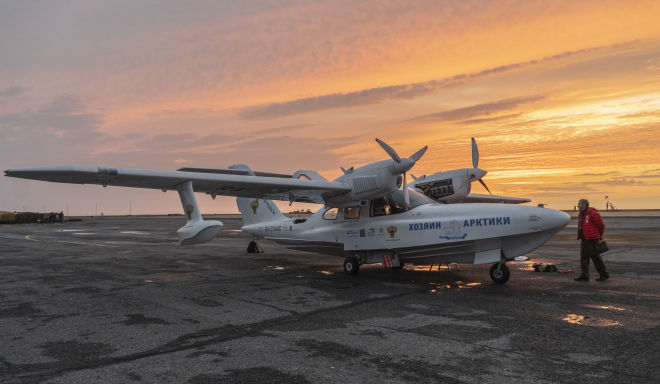
Flying high: Aerial surveys of polar bears
Russian banks have started accepting applications for Arctic mortgages
Economy
Supplying gas to Krasnoyarsk Territory soon to begin in polar territories
Infrastructure
Russian Foreign Ministry comments on NATO Military Committee chair’s statement on the Arctic
International relations
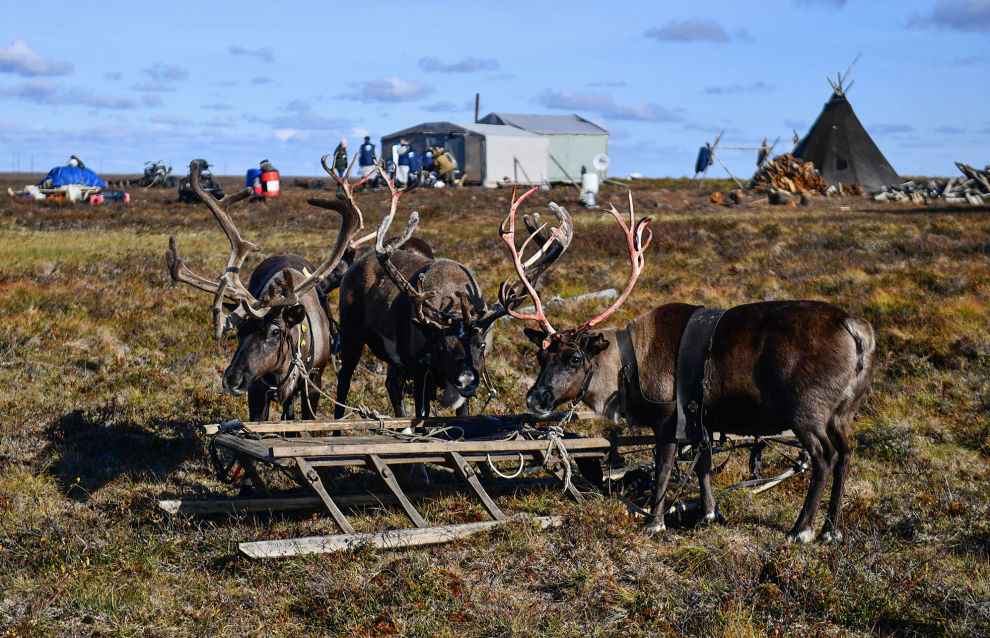
Nenets reindeer herders’ migration routes change due to cell towers
Population
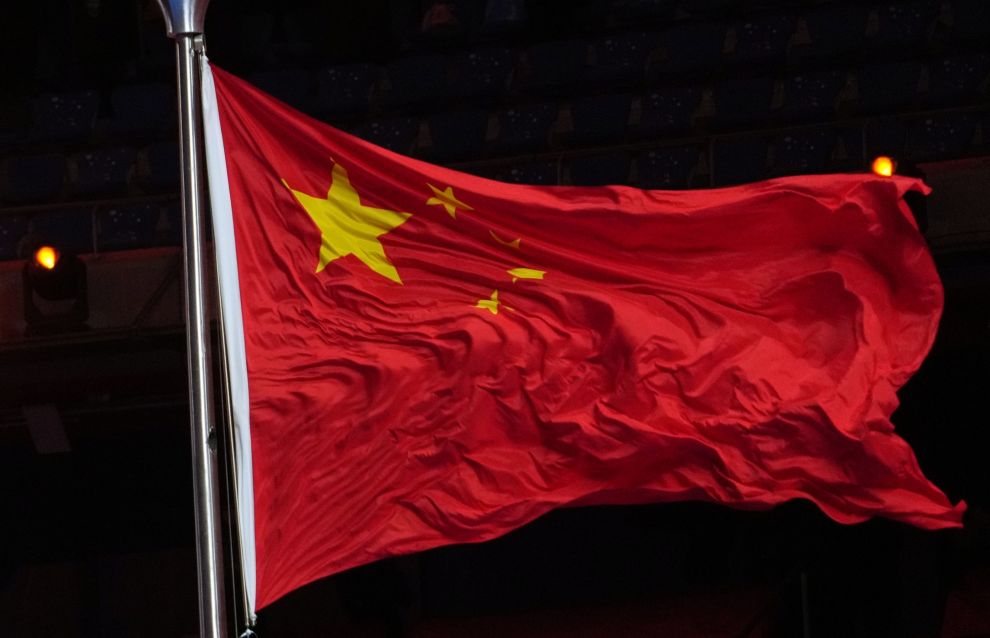
Foreign Ministry: China is ready to cooperate with Russia in various spheres, including Northern Sea Route
International relations
The State Duma authorizes Arctic LNG exports
Economy